Why a US Slot Machine’s Cashback Feature Is Not Real Cash
That cashback number glowing on a US slot machine’s display is not money — it is a promotional credit instrument with a one-way valve welded onto it. Strip away the marketing gloss and you are looking at a slot machine cashback feature built on ledger accounting, not cash custody. The distinction is brutal and it matters every time a player tries to walk out the door with "winnings" that were never legal tender to begin with. 🎰
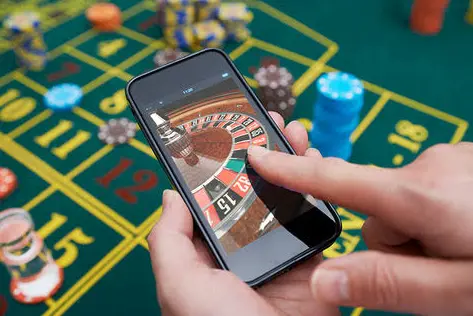
The Ledger Trick: Promotional Credits Versus Banknotes
Here is the mechanical reality. When a US slot machine awards cashback, the controller writes an entry into a promotional credit pool inside the machine’s non-volatile memory. That pool is denominated in credits, not dollars. Casinos are legally barred from letting you redeem promotional credits as cash because the moment they do, the instrument becomes a wagering payout subject to a completely different regulatory and tax framework. So the machine tags every cashback credit with a redemption class code. Class A is coin-in. Class P is promo. The firmware physically refuses to convert Class P into a hand-paid jackpot or a ticket-out voucher. That is not a bug — it is the compliance layer doing exactly what it was engineered to do.

Why the Fine Print Is Loaded With Traps
Look at the terms attached to any slot cashback promotion and you will find the playthrough multiplier buried three pages deep. A typical US property will attach a 1x to 10x wagering requirement to every promotional credit before it even becomes eligible for conversion into a redeemable instrument. And even then, the redeemable instrument is usually a free-play voucher, not a cash ticket. The machine enforces this at the credit-meter level. You cannot insert a promotional credit and press the service button for a hand pay. The logic gate is hard-coded. 💸
Regulatory Architecture That Makes Cashback Non-Cash
State gaming control boards classify promotional credits as a marketing expense, not as a wagering liability. That single classification ripples through everything. Cash on a slot floor sits in a segregated trust account backing the ticket-in-ticket-out system. Promotional credits sit in a marketing budget line. When a player screams that their cashback was "real money," they are confusing a display value with a fungible asset. The meter shows credits because the meter is a display device, not a bank ledger. The machine’s accounting firmware separates the two pools with an air gap that auditors verify quarterly.
The Firmware-Level Separation Nobody Talks About
Inside the slot’s game monitoring unit, there are at least two distinct meters: the cashable credit meter and the promotional credit meter. The cashable meter is the only one that can generate a payout ticket. The promotional meter can only be consumed through additional spins. Some vendors attempt to blur this with a "cashback bonus" that resets the promotional pool into the cashable pool after a threshold — but that threshold is almost always set so high that the expected value collapses. Run the math on a 5x playthrough at 92% RTP and the promotional credit is worth roughly 65 cents on the dollar before you even factor in the time cost. That is not cashback. That is a coupon with a house edge stapled to it. ⚙️
What the Player Actually Owns
Nothing transferable. Promotional credits on a US slot machine are non-negotiable, non-assignable, and expire on a schedule the casino controls. The machine will happily show you a cashback balance that looks like a bank account and behaves like a gift card with a countdown timer. The only honest way to value the feature is to treat it as a discount on future spins, not as a withdrawal you are owed. Any operator telling you otherwise is either lying or does not understand their own promotional credit redemption rules. 🎯
The firmware will not let you cash out a promo credit meter because the regulatory classification of that meter forbids it — and no amount of floor-manager charm changes the class code stamped into the non-volatile memory.