Why Baccarat Access on Fire Tablets Breaks Down at the Browser Layer
Amazon Fire tablets run a fork of Android with a Silk browser stack that quietly strangles real-money baccarat lobbies before the cards ever render. The core problem is not the casino itself—it is the WebView engine, the missing Widevine DRM module, and Amazon's aggressive Appstore gatekeeping that blocks sideloaded gambling clients. If you want to know whether a US casino's baccarat game actually loads on a Fire tablet, you have to test the rendering pipeline, not just the login page. 🔍
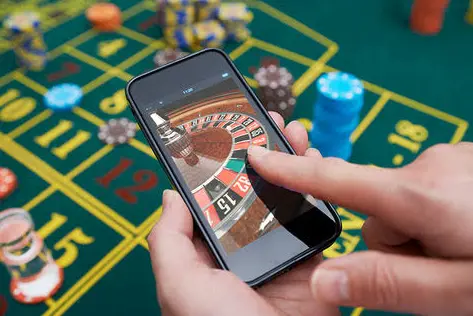
The Silk Browser User-Agent Trap
Fire OS ships Silk, which reports a user-agent string that many casino detection scripts flag as an unsupported mobile client. The moment a baccarat table tries to negotiate a WebSocket handshake for live dealer streaming, Silk drops the connection because it lacks full HTML5 Media Source Extensions support on older Fire HD models. Load the casino lobby, open the developer console via remote debugging, and watch for failed WebSocket upgrades and blocked autoplay policies. If the live dealer video feed throws a "media element not supported" error, the baccarat game is dead on arrival regardless of your account balance.
Appstore Sideloading and Regional Locks
US-facing casinos rarely publish native Fire OS apps because Amazon's Appstore prohibits real-money gambling listings in most territories. That means you are stuck with the browser route or sideloading an Android APK. Sideloading requires enabling "Apps from Unknown Sources" and manually installing the Google Play Services framework—a step Amazon deliberately makes painful. Test whether the casino's baccarat client depends on Play Services for geolocation or push authentication. If it does, the table will hang at the loading spinner. 🎯

Hardware Acceleration and Canvas Rendering Checks
Baccarat tables built on HTML5 canvas—especially those with animated card dealing—rely on GPU acceleration that Fire tablets throttle aggressively under thermal load. Run a quick canvas benchmark in Silk, then open the baccarat table and monitor frame rate. A drop below 24 FPS during the deal animation signals that the rendering pipeline cannot keep pace, and the bet buttons will lag or miss taps entirely. This is not a network issue; it is the Mali GPU driver on budget Fire HD hardware choking on shader compilation.
The DRM and Live Dealer Streaming Test
Live dealer baccarat streams are encrypted with Widevine L3, and Fire tablets below the HD 10 (9th gen) lack the certified module. Open the casino's live baccarat lobby and check whether the video element loads a poster frame or a black box. A black box with a spinning loader means the DRM handshake failed silently. You can confirm this by navigating to a Widevine test page in Silk—if it reports "no compatible source," the live baccarat feed will never decrypt on that device. 💡
Account and Geolocation Verification Before Table Load
US casinos run geolocation checks through HTML5 geolocation APIs and IP triangulation before unlocking baccarat tables. Fire tablets often fail the precise location check because Silk's location permission model routes through Amazon's location services, which many casinos reject as spoofable. Test by opening the baccarat lobby and watching for a location verification modal. If it loops or throws a "location services unavailable" error, the table access is blocked at the compliance layer—no amount of browser tweaking will bypass it. The only reliable signal is whether the table loads past the geofence and renders the betting grid within eight seconds.